In May of 2013, as Microsoft prepared to launch its new XBox console, they announced plans to tie all copies of an XBox game, both physical and digital, to a license that had to be authorized and deauthorized from your console via an online check that had to occur once a day. The outcry from the gaming community at the time was so loud and visceral that Microsoft quickly backpedaled on these plans. The damage was done, however; the first impression had been made, and for years afterwards, consumers continued to think that the XBox had some draconian DRM controls that limited their ability to share games with friends. Sony gleefully capitalized on this situation at E3 that year by mocking Microsoft with a short video demonstrating how easy it was to share a game on their new Playstation 4 system.
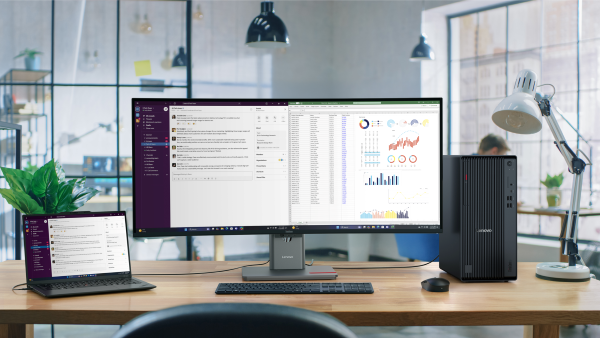
Way back in 2016, I initially tried out an ultrawide monitor in hopes of simplifying my desk setup. Instead of running two different monitors connected to a desktop and my work laptop, I thought a single 34” ultrawide one would clean up a lot of cables. I bought a Dell U3415W because it was one of the few monitors at the time that had a built-in KVM for switching between my two computers. And for several years this worked great! My display cable and power cable clutter got cut in half, and it allowed me to run everything off the monitor’s USB hub instead of keeping a separate one.
Exactly one week ago, Tim Cook broke the news that Apple would be raising the prices of its products due to the rising costs of memory and storage brought on by the AI industry’s insatiable data center demand and growth. Many in the industry thought that these prices would arrive when new iterations of each product shipped - for example, with the new iPhone during its annual September launch. We didn’t have to speculate long, however, as the other shoe dropped today, with Apple announcing price increases for Macs, iPads, Apple TVs, and HomePods.
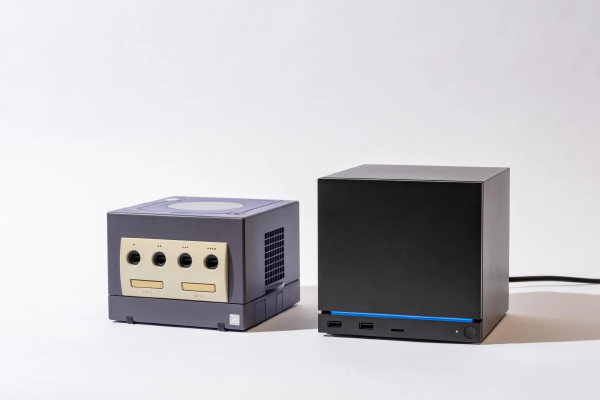
Way back in November of 2025, Valve made several hardware announcements that seemed to build on its previous releases. A new Steam Controller which took a lot of notes from the popular but still niche Steam Deck; a new VR headset called the Steam Frame that could connect to your PC wirelessly; and their second attempt at cracking the home theater PC/console market called the Steam Machine.
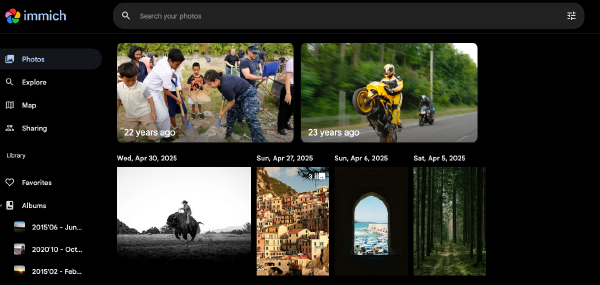
In my post last month about rethinking my personal tech stack, I had mentioned that I had been using Ente Photos as an alternative to Google Photos, but had also been evaluating Immich. I also mentioned that one day in the future I might move over to Immich after figuring out a better backup strategy for my HomeLab.
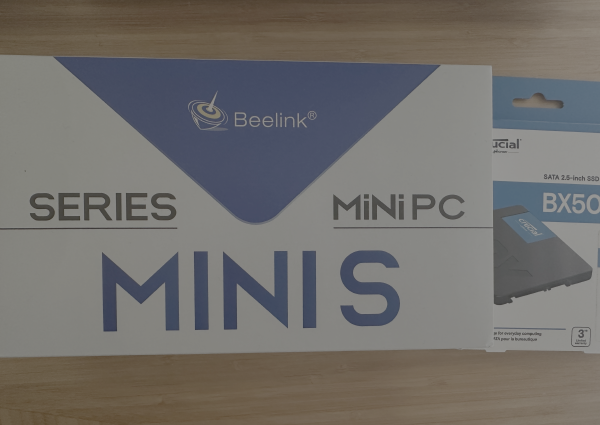
Several years ago, I bought a Synology DS920+ to use as a network attached storage (NAS) appliance in the house. I don’t work as a photographer or video editor so my work doesn’t really have any massive storage needs; rather, I wanted someplace to host media for the family that didn’t require an ongoing subscription service to access. For a few years, it served that purpose almost exclusively, both as a drive I could mount and as a Plex server.
Like many people, I usually take the start of a new year as an opportunity to reevaluate some choices and habits I have and see if there is room for improvement. One such area up for review is the set of services, apps, and subscriptions I use outside of work.
Recently, Ruby Central, the non-profit responsible for maintaining the RubyGems package manager, suffered a security incident where they temporarily lost control of their AWS account. They have since published a post-mortem of this event that is ostensibly aimed at putting their community’s minds at ease. Unfortunately, it had the opposite effect on me, causing me to come away with more questions than answers.
While AWS re:Invent doesn’t officially kick off until December 2, we are now officially in the lead up to the event, a time that often seea a flurry of new feature and service announcements. While these announcements are often overshadowed by new products that debut at the conference, they are often just as important (if not more so) to the work I do every day. This week has been the strongest example of this trend to date, with several announcements that made me genuinely excited. In the interest of processing that enthusiasm, I decided to write a recap of what I view to be the biggest ones.
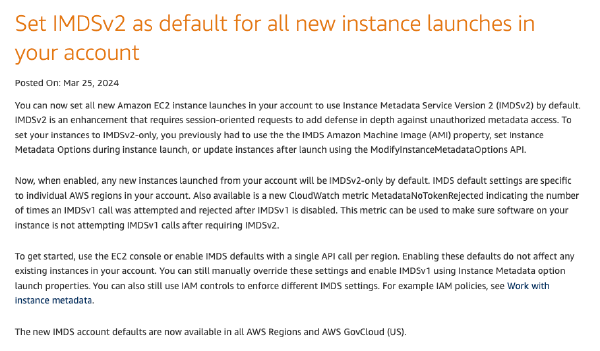
Introduction # EC2 instances in AWS can have access to something called the instance metadata service, which makes information (namely metadata) about an instance available to applications, services, code, etc. that runs on the instance. For example, a piece of code can query the metadata service to learn what region it is currently running in.